|
|
|---|
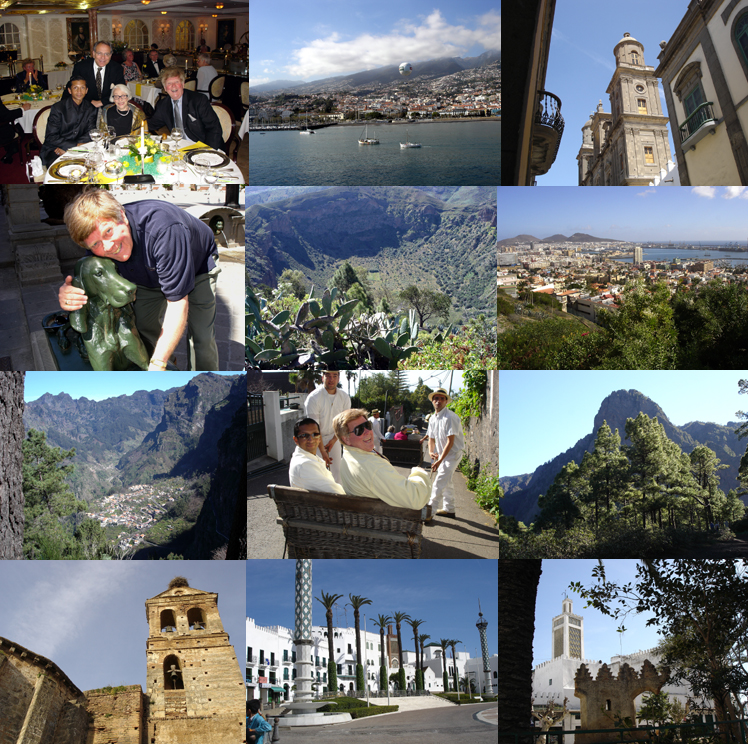
The islands sub-tropical climate, with a latitude similar to Orlando, Florida, is cooled by trade winds and the warm Gulf Stream. Known as the "land of eternal spring" with average temperatures between 64 and 75 degrees Fahrenheit, the islands offer a wide range of natural attractions -- vast volcanic craters, spectacular black beaches, ancient forests and crystal clear waters inhabited by whales and dolphins. The quieter islands are a paradise for nature lovers and the more popular ones have highly sophisticated resorts.
Tenerife, the biggest island, offers Puerto de La Cruz, the islands' oldest resort dating from the 1700s with its beautiful Lago Martianez seaside park of pools and gardens designed by the famous Lanzarote architect Cesar Manrique, beachfront resorts in the warmer south, ancient pyramids and Spain's highest mountain.
Gran Canaria, appeals both to sun seekers and those who want to enjoy Canarian culture and quiet country villages. Las Palmas, Gran Canaria's capital, has a distinctly Canarian character, museums and historic buildings including one where Christopher Columbus stayed enroute to his voyages of discovery. Elsewhere on the island are snow capped mountains, traditional villages virtually untouched by tourism, a desert landscape and tropical fruit plantations.
The easternmost island of Lanzarote lies closest to Africa. It offers spectacular landscapes that include petrified lava formations, volcanic craters, amazing underground cave systems and black sand beaches and vineyards. The most westerly islands - La Palma, La Gomera and El Hierro are more lush, green and unspoiled. They attract artists, walkers and nature lovers.